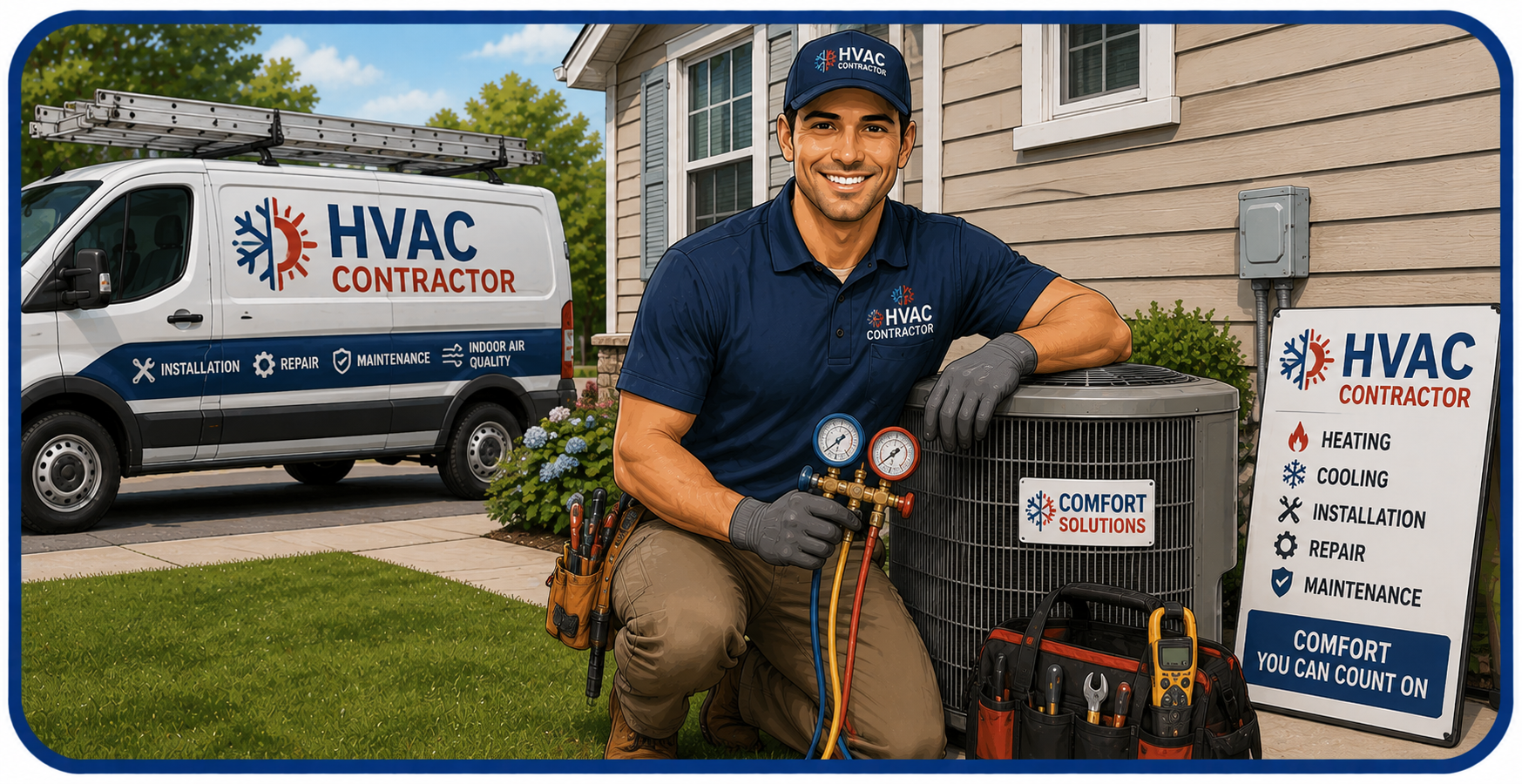
When your furnace fails in the middle of a Parma, OH winter, you need a technician who understands heat exchanger integrity, ignition system failures, flame sensor faults, and gas valve diagnostics -- and has the parts on the truck to fix it today.
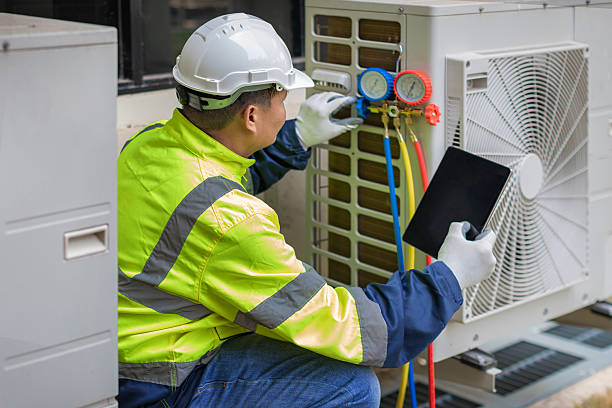
A cracked heat exchanger is a carbon monoxide risk that should be diagnosed with instruments, not assumed from visual inspection alone. Our technicians use combustion analyzers and camera scopes to confirm heat exchanger integrity on every furnace repair call.
A gas furnace is the most mechanically complex piece of equipment in a typical residential HVAC system. It combines a combustion system -- burners, heat exchanger, flue, and draft inducer -- with an electrical control sequence, a safety system with multiple independent lockout devices, and a blower assembly that must coordinate precisely with the combustion process. When something fails, the symptom could come from any of these subsystems, and making the wrong diagnosis costs homeowners money and leaves them without heat longer than necessary.
At All Year HVAC, our furnace repair technicians in Parma approach every gas heating call with a complete system diagnostic rather than jumping to the most commonly failed component. We start with the fault code displayed on the control board, but we treat that as the beginning of the investigation, not the end. A fault code pointing to a pressure switch lockout could indicate a failed pressure switch, a blocked condensate drain, a cracked inducer housing, a restricted flue, or a problem with the heat exchanger itself -- all very different repairs at very different price points. Measuring actual draft pressure at the pressure switch port with a manometer takes two minutes and eliminates the guesswork entirely.
The ignition system on a modern gas furnace -- whether hot surface ignition or intermittent direct spark -- operates in a precise timed sequence controlled by the circuit board. The igniter energizes, the gas valve opens, ignition occurs, the flame sensor confirms the presence of flame within a few seconds, and the board allows the main gas valve to stay open. A failure at any point in that sequence produces a no-heat lockout that can look identical from the homeowner's perspective regardless of which component is at fault. We test the igniter's resistance when cold, measure flame sensor microamp output when hot, verify gas valve opening voltage and manifold pressure, and check board output timing -- because accurate diagnosis requires testing each component rather than replacing them in sequence until the heat comes back on.
Beyond the ignition and control system, heat exchanger integrity is the safety dimension of furnace diagnosis that demands careful attention. A cracked heat exchanger allows combustion byproducts, including carbon monoxide, to mix with conditioned air and circulate through the living space. This isn't always detectable visually, and some cracks only open under operating conditions when the metal expands with heat. Our technicians assess heat exchanger integrity using both a flexible camera probe and combustion gas analysis at the air handler outlet, which gives a meaningful, measurable result rather than a visual estimate.
Every repair is traced to the component level. We give you a written quote and a clear explanation before any work begins.
The hot surface igniter is one of the highest-wear components in a gas furnace, typically rated for fewer heating cycles than the rest of the system. When an igniter weakens, it may glow but not reach the temperature required to reliably light the burner, causing intermittent ignition failures that often get worse as outdoor temperatures drop and the system runs more frequently. We test igniter resistance when cold -- a healthy silicon carbide igniter typically reads between 40 and 90 ohms, while a cracked or degraded one reads much higher or open -- before confirming with an operational check.
The flame sensor is a safety device that confirms the presence of an actual flame within a few seconds of the gas valve opening. It works by conducting a small microamp current through the flame itself -- a phenomenon called flame rectification. When the sensor rod accumulates a thin layer of oxidation, it can no longer conduct adequately, and the board interprets a no-flame condition and shuts off the gas even when the burner is lit. Flame sensor problems typically produce a pattern where the furnace lights, runs for a few seconds, then shuts off and tries again. A clean sensor reading of 2 to 6 microamps confirms proper operation; below 1 microamp indicates replacement is needed.
The gas valve controls the flow of fuel to the burner manifold and operates under precise voltage and pressure parameters. A gas valve that won't open when commanded -- despite receiving the correct control voltage -- may have a failed coil, internal mechanical failure, or a wiring fault upstream of the valve itself. We verify that the control board is sending the correct 24-volt signal before testing the valve's coil resistance and confirming inlet and outlet pressure with a manometer. Gas valve replacement is a repair that requires careful attention to manifold pressure verification after installation to ensure proper combustion.
The inducer motor draws combustion gases through the heat exchanger and out the flue, and the pressure switch verifies that this draft is occurring before allowing ignition. A pressure switch fault is one of the most misdiagnosed furnace problems -- technicians replace the switch when the underlying problem is a blocked condensate trap, a cracked inducer housing, a failing inducer motor, or a restricted flue pipe. We measure actual inducer suction pressure at the switch port with a manometer, compare it against the switch's rated setpoint, and determine from the measured value whether the switch itself is faulty or something upstream is preventing adequate draft.
A cracked heat exchanger is a life-safety issue requiring both a thorough inspection and honest communication. We use a combination of flexible camera inspection inside the heat exchanger tubes and combustion gas analysis at the air handler supply outlet to assess integrity. Camera inspection can identify visible cracks, corrosion, and heat stress damage; combustion gas analysis detects whether any combustion products are actually entering the airstream. When a heat exchanger is confirmed compromised, we provide documentation suitable for insurance purposes and walk through the options -- heat exchanger replacement where parts are available, or furnace replacement when the system age makes heat exchanger work uneconomical.
The control board manages the entire furnace operating sequence -- inducer startup, igniter preheat timing, gas valve signal, flame sensor monitoring, blower delay, and limit control response. A failing board may produce erratic behavior across multiple stages of the operating sequence. Before recommending board replacement, we retrieve and interpret the stored fault code history, test the board's output signals at each operational stage, and verify that the sensors, safeties, and motors the board controls are functioning correctly. This ensures we replace the board only when it's actually at fault and not when a connected component is the real problem.
We assess heat exchanger integrity with instruments on every furnace call, not just when there's an obvious symptom. Carbon monoxide risk is taken seriously here.
We maintain elevated furnace repair staffing all winter season. When you call for a heating emergency in Parma, OH, we're ready to dispatch the same day.
We use manometers, combustion analyzers, and digital meters to confirm every finding. You get a diagnosis supported by measurement, not guesswork.
Our trucks carry igniters, flame sensors, pressure switches, capacitors, and control boards for the most common residential furnace brands in Parma, OH.
A furnace repair shouldn't be a guessing game. Here's how we handle every job from call intake to verified heat restoration.
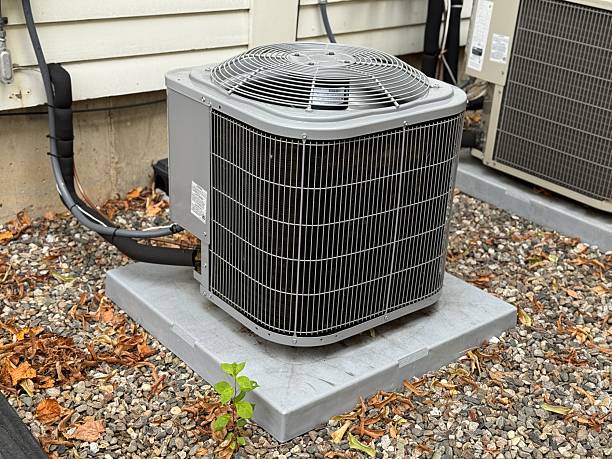
Our dispatcher collects your furnace make, model, and fault code -- if one is displayed -- before routing the call. This helps the technician arrive with likely parts already on the truck.
The technician follows a structured diagnostic sequence -- from power supply through the ignition sequence and into the heat exchanger and flue -- using manometers, combustion analyzers, and calibrated meters.
You receive a written quote identifying the failed component, the root cause, and the full repair cost. If heat exchanger integrity is a concern, we include those findings separately and clearly.
After the repair, we run the full ignition sequence, verify combustion gas levels, check blower operation, and confirm heat is reaching your supply registers before issuing your 12-month warranty.
"Heat went out at 11pm. The tech was there by 1am, found a cracked inducer housing causing pressure switch faults -- not the switch itself, which is what another company said was the problem. Had the housing on the truck. Heat was back by 2:30am."
"Our furnace was lighting and shutting off after a few seconds. Other quotes were for a new control board. The tech cleaned the flame sensor, measured the microamp output, and it was reading less than 1 microamp. A $40 sensor solved what others wanted $800 for."
"They checked the heat exchanger without me asking, found a small crack that was letting CO into the supply air. The CO detector hadn't gone off yet. That inspection probably prevented a serious situation. Replaced the heat exchanger instead of the whole furnace and saved us money."
Our furnace repair technicians serve Parma and all surrounding communities throughout Parma, OH, with 24/7 availability during heating season.
Call All Year HVAC for expert Furnace Repair in Parma. Written quote before we start, stocked parts trucks, and a 12-month warranty on every repair we complete.
Call +1-866-805-8548 Now