
- Home
-
#HeaderServicesLinks
- Call: +1-866-805-8548
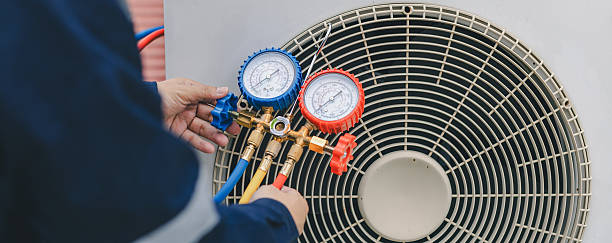
Comprehensive HVAC tune-ups covering coil cleaning, refrigerant level checks, capacitor testing, drain pan treatment, and electrical connection inspection. We find problems before they find you.
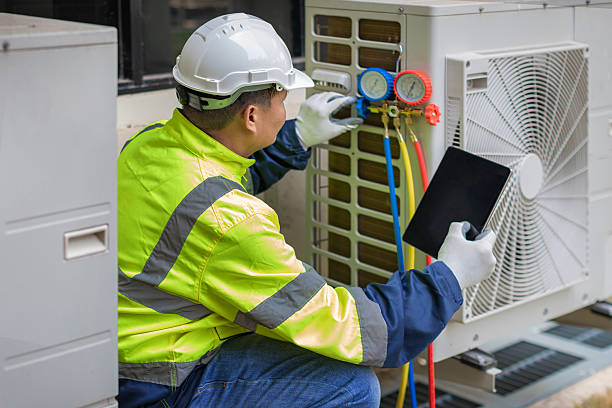
What Real HVAC Maintenance Covers
Annual HVAC maintenance is one of those things that can genuinely save you money over the life of a system, or it can be a service call with a new filter and a signature on a checklist that accomplished nothing measurable. At All Year HVAC, we want homeowners in Dallas to understand what a substantive tune-up actually involves so they can tell the difference between the two.
Filter replacement is the starting point, not the entirety, of proper maintenance. Filter intervals depend on filter MERV rating, home square footage, and how many pets and occupants are present. A standard 1-inch filter in a home with two dogs may need replacement every 30 days. A 4-inch media filter in a single-occupant home with no pets might last six months. We assess your specific situation and set a replacement interval that makes sense rather than a generic quarterly schedule.
Coil cleaning is where most maintenance skips fall apart. The evaporator coil sits inside the air handler and removes heat and humidity from your home's air as refrigerant passes through it. Over time, dust and biofilm accumulate on the coil fins, reducing heat transfer efficiency and increasing static pressure. The condenser coil on the outdoor unit collects debris, cottonwood seeds, grass clippings, and dirt that restrict airflow through the condenser and cause head pressure to rise. We clean both coils during a full tune-up, using appropriate coil cleaner and rinse technique rather than just blowing the outdoor unit with compressed air.
Refrigerant level verification requires connecting gauges and measuring pressures against ambient conditions. A system that is losing refrigerant has a leak that needs to be found and repaired, not just topped off. We check refrigerant levels during maintenance and flag any indication of loss so it can be addressed before the system gets significantly undercharged and the compressor starts to overheat.
Electrical components get specific attention at each visit. Capacitors degrade over time, and a capacitor that measures below rated microfarad is failing before it actually fails visibly. Run capacitors support both the compressor and the condenser fan motor, and a weak capacitor causes those motors to work harder and run hotter than they should. We test capacitors with a capacitance meter at each maintenance visit and flag weak ones before they cause a no-cooling call on the hottest day of the summer. Contactor contacts are inspected for pitting and carbon buildup, and electrical connections are checked for looseness and heat damage. Loose electrical connections generate heat that accelerates insulation breakdown and can cause intermittent failures that are difficult to diagnose under normal service conditions.
Drain pan treatment is the final maintenance step most tune-ups miss. The condensate drain pan and primary drain line develop algae and biofilm growth over a cooling season in Dallas, TX's humidity. Biological material in the drain pan eventually plugs the primary drain line, causing the pan to overflow. We treat the drain pan with appropriate biocide tablets and verify that the primary drain line flows freely before leaving each maintenance visit in Dallas.
Maintenance Services
Both heat exchange coils require cleaning to maintain rated efficiency. Evaporator coil fouling reduces heat transfer and increases static pressure. Condenser coil fouling raises head pressure and discharge temperature, shortening compressor life. We clean both with coil-specific cleaners and proper rinse procedures rather than surface cleaning only. In Dallas's climate, coil cleaning alone can recover several percent of rated system efficiency in a moderately fouled system.
Refrigerant level verification means connecting manifold gauges and comparing actual operating pressures against manufacturer target pressures for current ambient conditions. A system that shows low subcooling and elevated superheat relative to ambient is losing charge, which means there is a leak that needs to be located and repaired. We flag refrigerant concerns during maintenance visits with specific gauge readings documented, so you have data rather than just a technician's opinion about whether a charge correction is needed.
Run capacitors degrade gradually, and a capacitor testing at 80 percent or less of rated microfarads is a failing component. Weak capacitors cause the motors they support to draw higher current, run hotter, and wear faster. Testing capacitors with a capacitance meter at each tune-up is the only way to identify a failing capacitor before it causes a no-start condition. We document the measured microfarad value and compare it to rated tolerance on every maintenance visit in Dallas so you can see the trend over time.
Loose electrical connections at contactors, terminal blocks, and wire lug connections generate heat through resistance. That heat accelerates insulation degradation and can cause intermittent failures that are difficult and expensive to diagnose. During each maintenance visit we check terminal torque on accessible connections, inspect contactors for contact pitting and carbon tracking, and look for insulation damage on wiring exposed to high heat zones. A connection that is obviously oxidized or loose is addressed during the maintenance visit rather than flagged and left for a separate service call.
Condensate drain pans accumulate algae and biofilm growth throughout the cooling season, particularly in Dallas, TX's humid climate. Biological growth in the pan eventually plugs the primary drain opening, causing overflow and water damage to the ceiling or walls below the air handler. We treat the drain pan with biocide tablets that slow regrowth through the season, flush the primary drain line, and confirm flow before leaving the job site. Identifying a partially plugged drain during maintenance costs nothing compared to finding it after the pan has already overflowed.
Filter selection and replacement interval are not one-size-fits-all decisions. Higher MERV rating filters capture smaller particles but also restrict airflow more, which is a problem in systems with marginal return air capacity. We assess your system's static pressure characteristics, identify the highest MERV filter your system can handle without airflow penalty, and set a specific replacement interval based on your home's occupancy and pet situation. This prevents both insufficient filtration and the airflow restriction that kills efficiency and causes evaporator coil freeze-up.
Why Choose Us
Every maintenance visit generates a written report with actual measurement values: capacitor microfarads, refrigerant pressures, temperature splits, and drain flow status. You get data you can track year over year, not just a completed form.
Many tune-ups only clean the accessible condenser coil outdoors and skip the evaporator coil because it requires opening the air handler. We clean both every time because both affect your system's efficiency and heat transfer capacity.
We test capacitors with a calibrated capacitance meter, not by visual inspection alone. Capacitors that test low get replaced before they cause a no-start on the first hot day of the season in Dallas.
Many manufacturer extended warranties require documented annual maintenance by a licensed contractor. Every maintenance visit we complete in Dallas, TX generates records that meet this requirement and protect your warranty coverage.
How It Works
We review the equipment model, serial, age, and any previous service records before beginning the inspection so we know what we are looking at and what the history shows.
We test capacitors, inspect contactors, check electrical connections, and measure system operating pressures with gauges before beginning any cleaning work.
Both evaporator and condenser coils are cleaned, the drain pan is treated, the primary drain line is flushed and verified, and the filter is replaced or assessed for replacement interval.
We provide a written report with all measurement values, flag any items that need attention, and explain the finding and recommended action for each. No pressure, just information.
Customer Reviews
"The tech found a capacitor testing at 62 percent of rated microfarads during the annual tune-up. He showed me the meter reading, explained what it meant, and replaced it on the spot. Two months later my neighbor's unit failed to start because his capacitor gave out completely. Having actual data instead of just a tech's opinion is worth everything."
"First maintenance visit where they actually cleaned the evaporator coil, not just the outdoor unit. They had to remove the access panel on the air handler to get to it. When they showed me the before and after with a flashlight, the difference was obvious. The system has run noticeably quieter since. I had no idea that coil was that dirty."
"They caught a slow refrigerant leak during the annual maintenance based on the pressures being slightly off from the previous visit's documented readings. The previous company never wrote down measurements, so this was the first time I had data to compare. They found and repaired a small leak at a Schrader valve. Glad it was caught before the system got significantly undercharged."
Common Questions
Service Coverage
Our maintenance crews serve Dallas and surrounding communities throughout Dallas, TX. We offer annual and bi-annual maintenance plans that include priority scheduling and discounted repair rates for plan members.
Call to schedule your maintenance visit or ask about our plan options. We are available Monday through Saturday for maintenance appointments in the Dallas area.
Schedule Maintenance: +1-866-805-8548
Call All Year HVAC for a complete, documented maintenance visit. Both coils, capacitor testing, refrigerant check, drain service, and a written report with real measurements.
Call +1-866-805-8548